

To evaluate the impact of correct measurement posture on the accuracy of blood pressure readings, follow these steps:
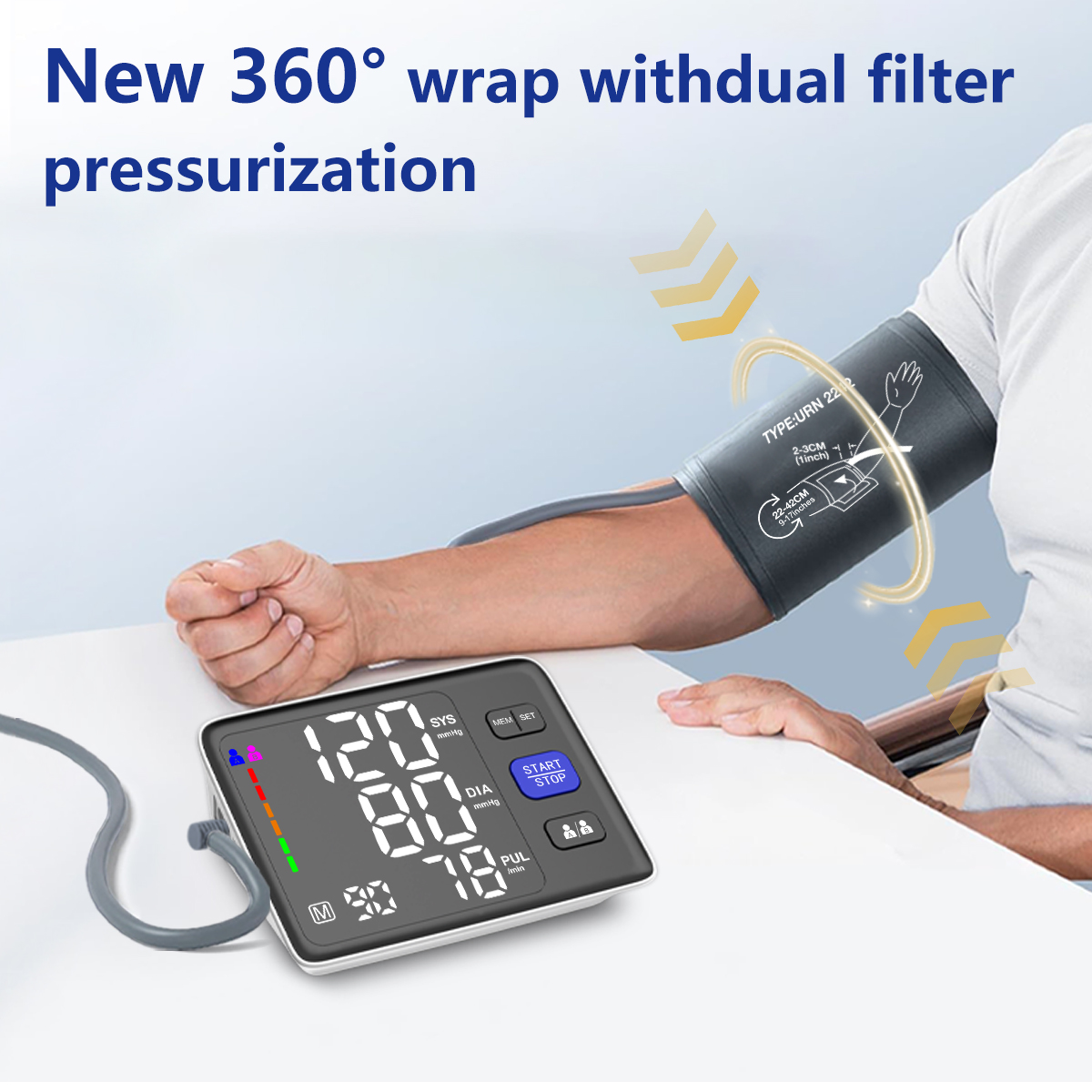
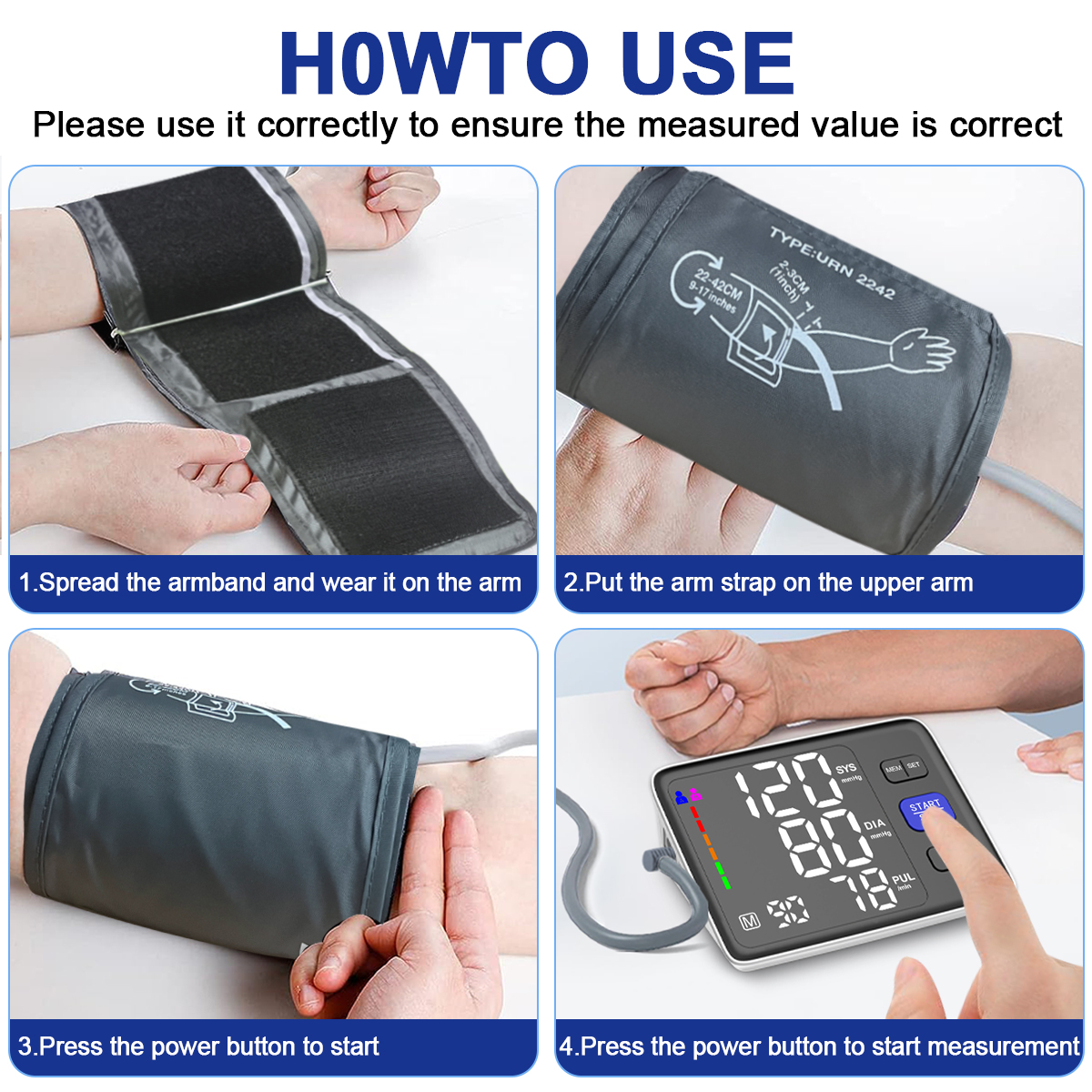
1. Understand the Correct Measurement Posture
Ensure the following for an accurate blood pressure reading:
- Seated Position: Sit upright with back supported.
- Arm Position: Rest the arm at heart level on a flat surface.
- Feet Placement: Keep feet flat on the floor, uncrossed.
- Relaxation: Avoid speaking, and remain calm for 5 minutes before the measurement.
2. Perform Comparative Readings
To analyze the effect of posture, take multiple readings under different conditions:
Measurement Condition Expected Result Correct Posture Baseline reading (most accurate) Arm Above Heart Level Reading may be lower than actual Arm Below Heart Level Reading may be higher than actual Slouching or Poor Back Support Reading may vary due to physical stress Legs Crossed Reading may be higher due to restricted blood flow 3. Document the Readings
- Use a reliable blood pressure monitor.
- Record readings for each posture in a log or table.
- Take 2–3 measurements per posture for consistency.
4. Analyze the Data
Compare the readings taken under incorrect postures against those taken with the correct posture. Look for trends like consistently higher or lower values.
5. Demonstrate the Importance of Posture
- Plot the data to visualize the impact.
- Emphasize that correct posture minimizes errors caused by body positioning.
6. Educate Users
Share the findings to encourage proper posture during blood pressure measurements, as accuracy is crucial for effective health monitoring.