

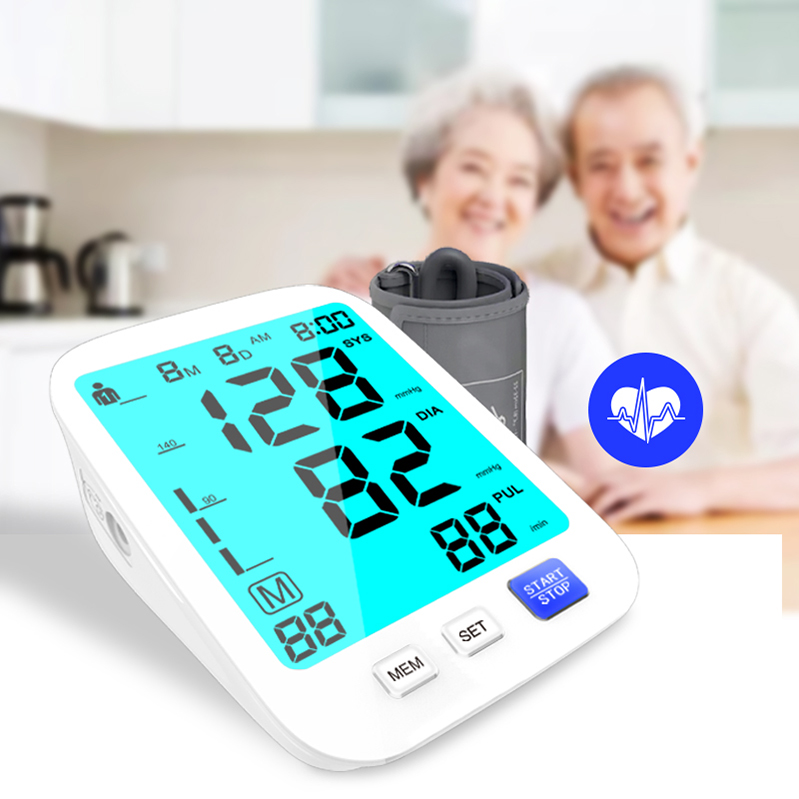
Using an upper arm blood pressure monitor is generally straightforward, but it's essential to follow these steps carefully for accurate readings:
-
Select the Right Monitor: Ensure you have an upper arm blood pressure monitor. While wrist monitors are available, upper arm monitors tend to be more accurate.
-
Prepare for Measurement: Sit comfortably in a chair with your feet flat on the ground. Rest your arm on a flat surface, such as a table, with your upper arm at heart level. Make sure your arm is relaxed and not tensed.
-
Place the Cuff: Slide the cuff onto your upper arm, making sure it's snug but not too tight. The bottom edge of the cuff should be about an inch above your elbow.
-
Position Yourself: Sit still and avoid talking during the measurement. Rest your arm on the table, palm up, with the cuff at heart level.
-
Start the Measurement: Press the start button on the monitor. The cuff will inflate, temporarily stopping the blood flow in your arm. You'll feel some pressure, but it shouldn't be painful.
-
Wait for the Reading: As the cuff deflates, the monitor will measure your blood pressure. It typically takes about 20-30 seconds. Remain still and quiet during this time.
-
Read the Results: Once the measurement is complete, the monitor will display your blood pressure readings. This usually includes both systolic (top number) and diastolic (bottom number) pressures, measured in millimeters of mercury (mmHg).
-
Record or Note the Results: If necessary, record the readings in a logbook or on your phone. Some monitors may have a memory function that stores previous readings.
-
Interpret the Results: Compare your readings to normal blood pressure ranges. Normal adult blood pressure is typically around 120/80 mmHg. Consult your healthcare provider if your readings consistently fall outside the normal range.
-
Maintain Regular Monitoring: Regularly monitor your blood pressure as advised by your healthcare provider, especially if you have hypertension or other cardiovascular conditions.
-
Care for Your Monitor: Follow the manufacturer's instructions for cleaning and storing your blood pressure monitor to ensure its accuracy and longevity.