Shenzhen Urion Technology Co., Ltd.
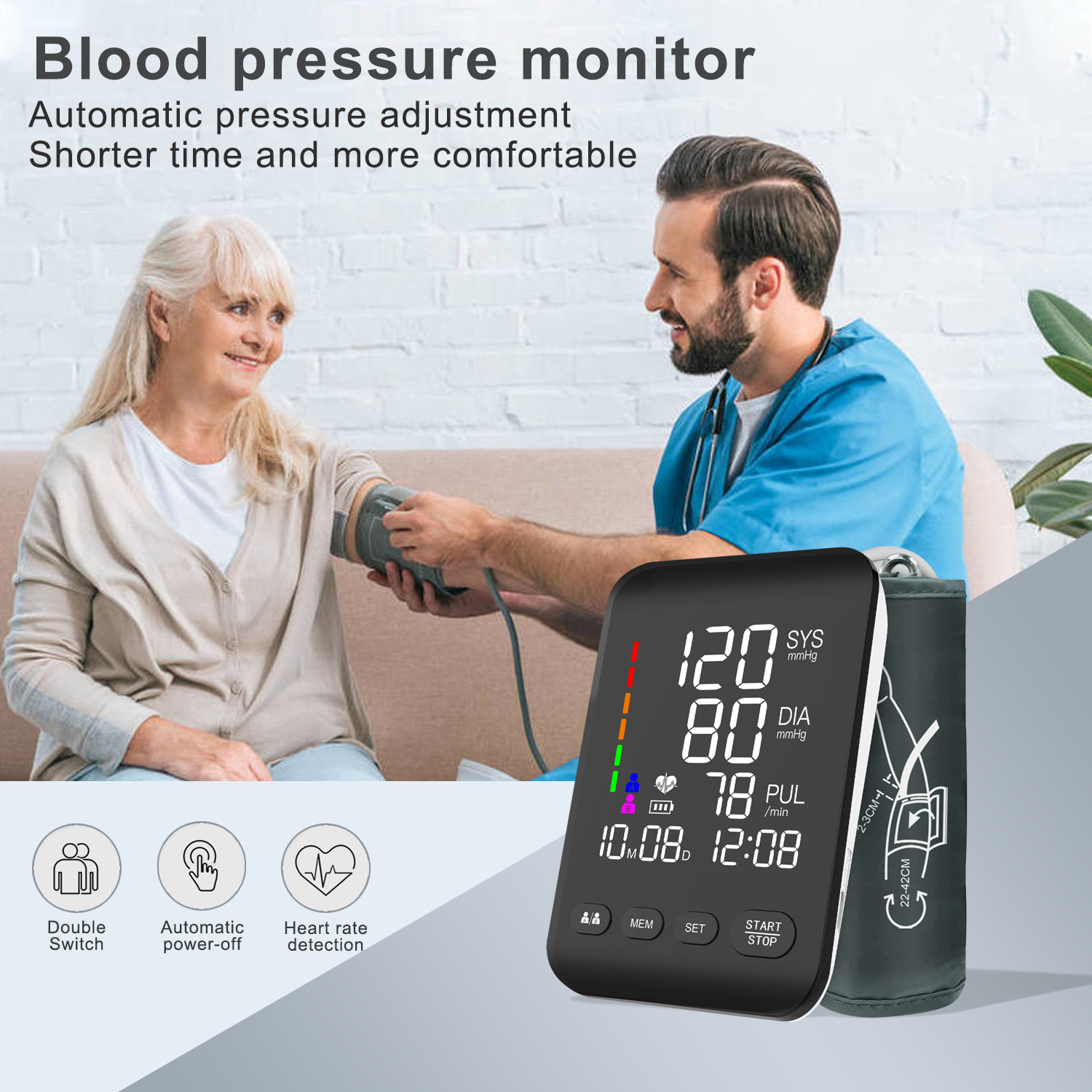
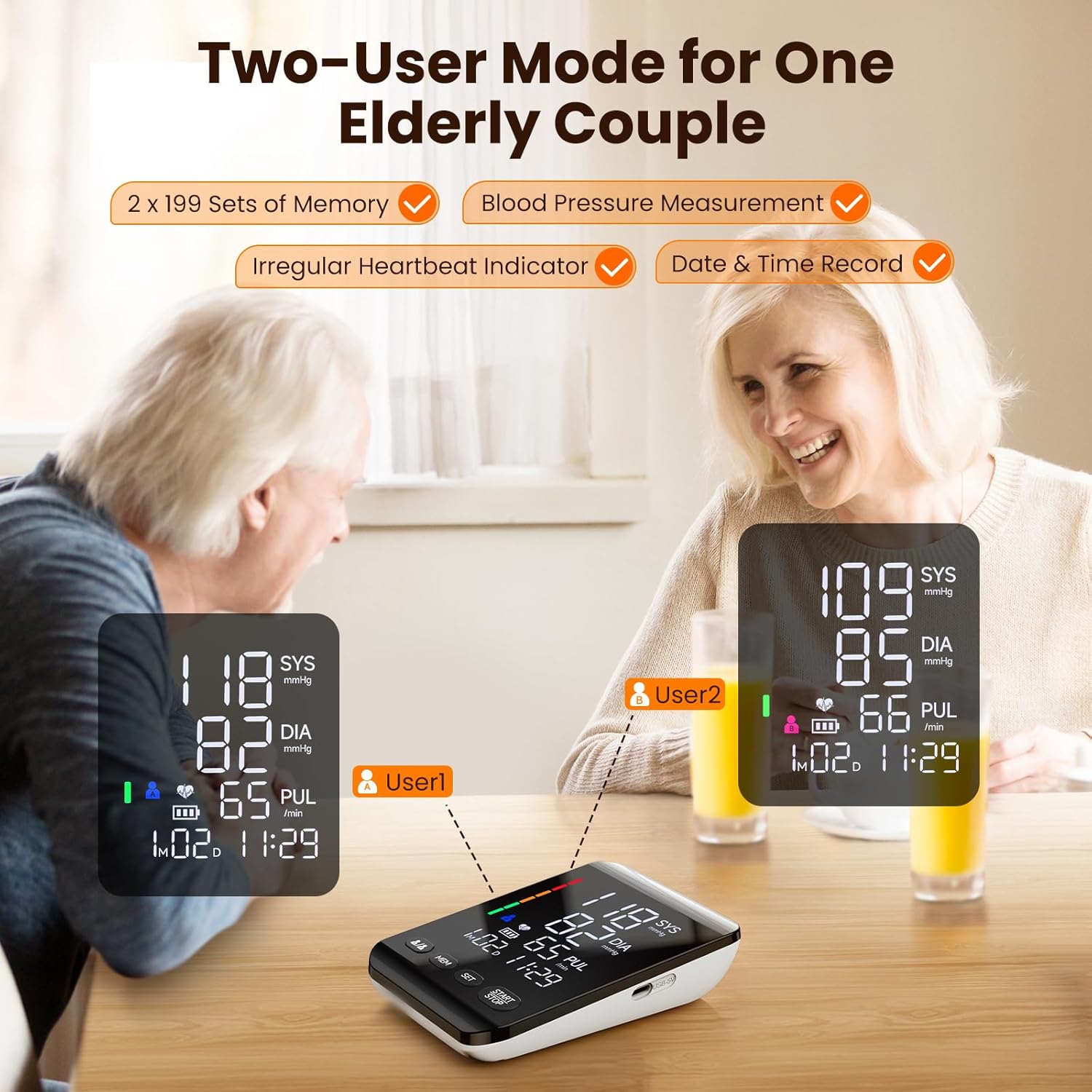
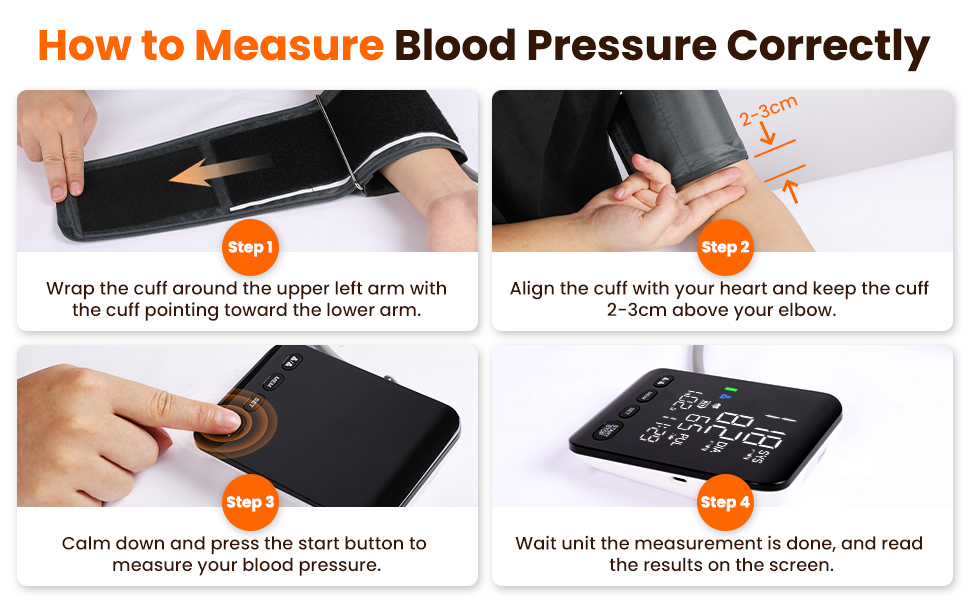
Founded in 2011, Shenzhen Urion Technology Co., Ltd. is located in the beautiful coastal city Shenzhen, China. As a professional manufacturer of home medical devices OEM/ODM and a national high-tech enterprise, our products mainly involve electronic sphygmomanometer,infrared thermometer,nebulizer and related Bluetooth, as well as Wi-Fi smart wearable home medical devices.
Besides passing various authoritative certifications of CE, FDA, CFDA and BSCI, the company has obtained more than 10 patents and software copyrights; Also, through the strict production management according to the ISO13485 and QSR820, our factory has sold the products to more than 90 countries and regions.
Besides the professional design team, core software algorithm and clinical improvement competence, Urion also has advanced automation equipment and various assembly production lines with the production capacity of 3 million electronic sphygmomanometers per year, 2.5 million infrared thermometers per year, and 20 million nebulizers per year.
Urion makes your family better!