

When exploring advanced features and user-friendly design in electronic blood pressure (BP) monitors, there are several key aspects to consider. These features enhance the accuracy, convenience, and patient experience, while also ensuring that the devices meet regulatory standards and are competitive in the market. Here's an overview of what to focus on:
1. Advanced Features for Accuracy and Reliability
- Automatic Calibration: Many modern BP monitors now feature automatic calibration, which ensures that the device remains accurate over time. This removes the need for manual calibration and reduces the chances of human error.
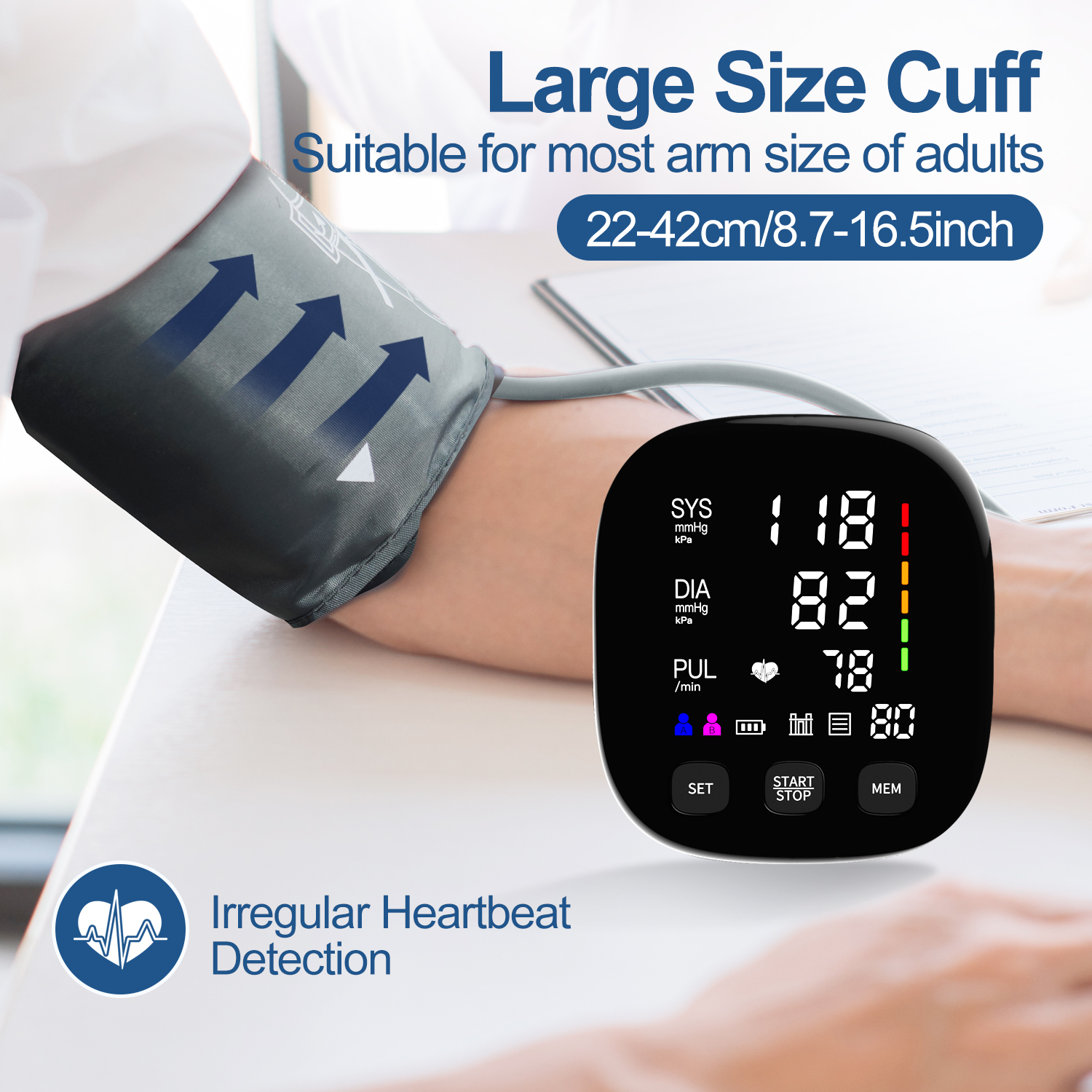
- Arrhythmia Detection: Some BP monitors are equipped with technology to detect irregular heartbeats (arrhythmias). This feature is critical for identifying potential heart health issues, such as atrial fibrillation, during routine BP checks.
- Advanced Inflation Technology: Devices that use "smart inflation" or "oscillometric" technology can adjust the pressure automatically, inflating and deflating the cuff at the right levels to improve comfort and accuracy.
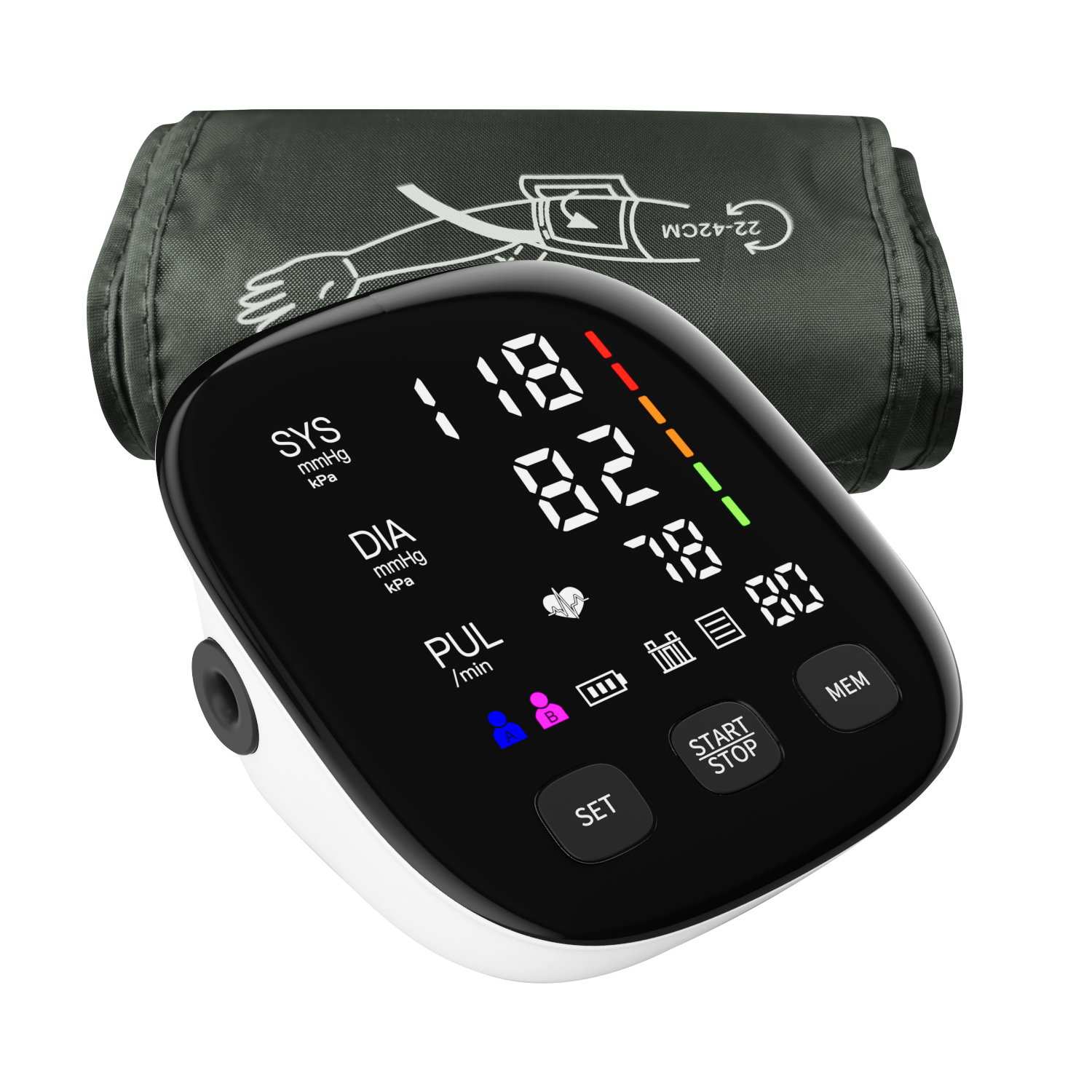
- Multi-User Functionality: For devices used by multiple people (e.g., in a family or clinic), the ability to store and retrieve measurements for different users is a valuable feature. Some BP monitors can store readings for up to 2-4 different users.
- Wireless Connectivity: Bluetooth or Wi-Fi-enabled BP monitors can sync data with mobile apps or electronic health records (EHRs). This allows for easier tracking of blood pressure trends over time and sharing of data with healthcare providers.
- Data Storage and Trends: Many BP monitors now feature the ability to store hundreds or even thousands of measurements, which can be invaluable for patients with chronic conditions. These readings can be reviewed by doctors or patients themselves to track trends and adjust treatment as needed.
2. User-Friendly Design
- Intuitive Display: A large, backlit screen with clear, easy-to-read numbers is crucial for accessibility. Devices with simple interfaces and large fonts make it easier for all users, including the elderly or those with vision impairments, to read their results.
- Voice Assistance: Some BP monitors have integrated voice functionality that reads out the results, making it easier for visually impaired individuals to use the device. This is a particularly useful feature for home healthcare.
- Ergonomic Cuffs: The design of the cuff should be comfortable and easy to put on. Cuffs with soft, flexible material and ergonomic designs are more comfortable and less likely to cause discomfort, even during repeated measurements.
- One-Touch Operation: Devices with simple, single-button operation or automated start functions help users with minimal technical experience to use the device effectively without complicated setup.
- Portability and Storage: For users who need to travel with their BP monitor, lightweight and compact devices are preferable. Some models come with protective carrying cases, making them easy to transport without damage.
3. Additional Features Enhancing Convenience and Compliance
- Morning/Evening Measurement Reminder: Many BP monitors have built-in reminder functions that prompt users to take their readings at the same time each day, improving consistency and adherence to monitoring schedules.
- Measurement Averaging: This feature automatically calculates an average of multiple readings taken in a row, reducing the impact of any outliers or errors in a single measurement.
- USB or Cloud Storage: Some devices offer cloud-based storage for BP data, allowing for easy access and tracking over time. It also facilitates sharing data with healthcare providers via secure portals or apps.
- Multi-Mode Functionality: For individuals with specific needs (e.g., pediatric patients or pregnant women), some BP monitors come with adjustable settings to tailor measurements for different groups, such as "adult," "pediatric," or "large cuff" modes.
