Shenzhen Urion Technology Co., Ltd.

Shenzhen Urion Technology Co., Ltd.

Understanding Electronic BP Monitors:

2024 11/13

Electronic blood pressure monitors, also known as digital sphygmomanometers, are devices that automatically measure blood pressure (BP) by detecting the oscillations in the arterial wall as the cuff inflates and deflates. These devices are widely used both in healthcare settings and for personal home use due to their ease of use, accuracy, and ability to store and track readings over time.

Here’s a comprehensive breakdown of how electronic BP monitors work, their types, and what to consider when choosing or using them.

Urion upper arm blood pressure monitor (7)


1. How Electronic BP Monitors Work

Principle of Measurement: Electronic BP monitors generally rely on one of two key methods: oscillometric or auscultatory. While the auscultatory method (using a stethoscope) is commonly used by healthcare professionals, electronic monitors use the oscillometric method.

  • Oscillometric Method: The cuff inflates around the upper arm (or wrist) to a pressure higher than the expected systolic BP. As the cuff deflates, the monitor detects oscillations (vibrations) in the arterial wall and uses them to calculate the systolic and diastolic pressure. The process is fully automated, and the device displays the readings digitally.

Components of an Electronic BP Monitor:

  • Cuff: The cuff is wrapped around the upper arm (or wrist) and inflated to a pressure above the systolic BP. It then deflates gradually.
  • Pressure Sensor: This sensor detects the oscillations in the arterial walls as the cuff deflates, helping the device calculate BP.
  • Microprocessor: The heart of the monitor, the microprocessor analyzes the data from the pressure sensor and computes the systolic and diastolic BP readings.
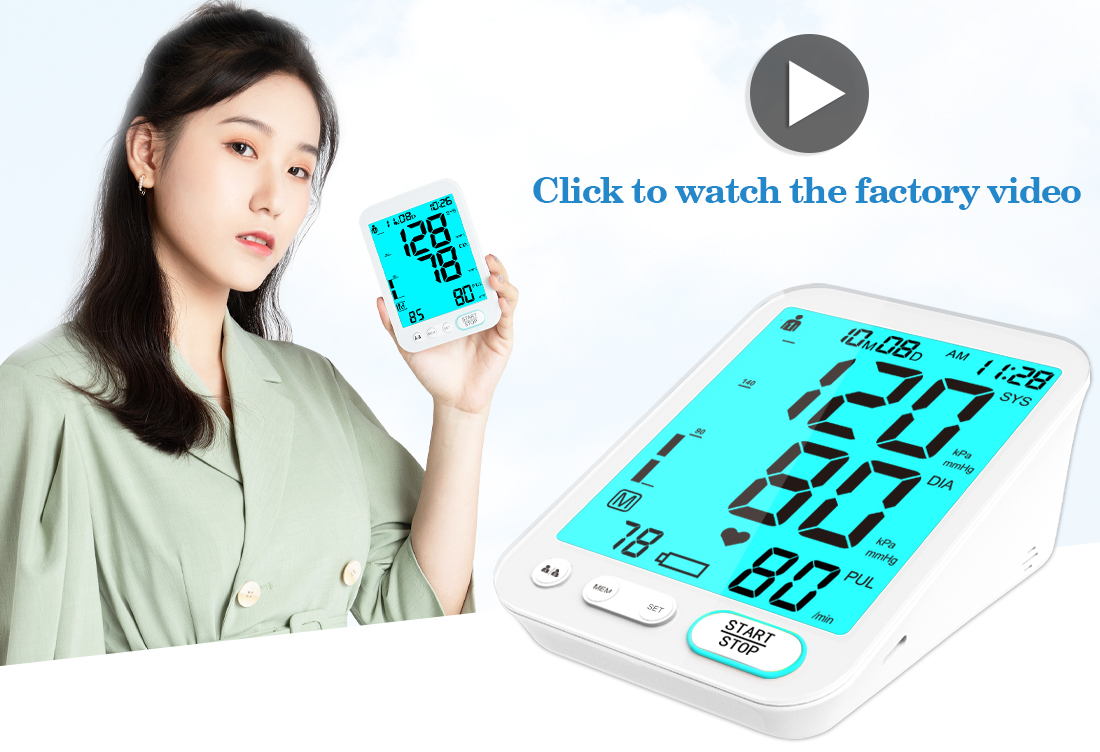
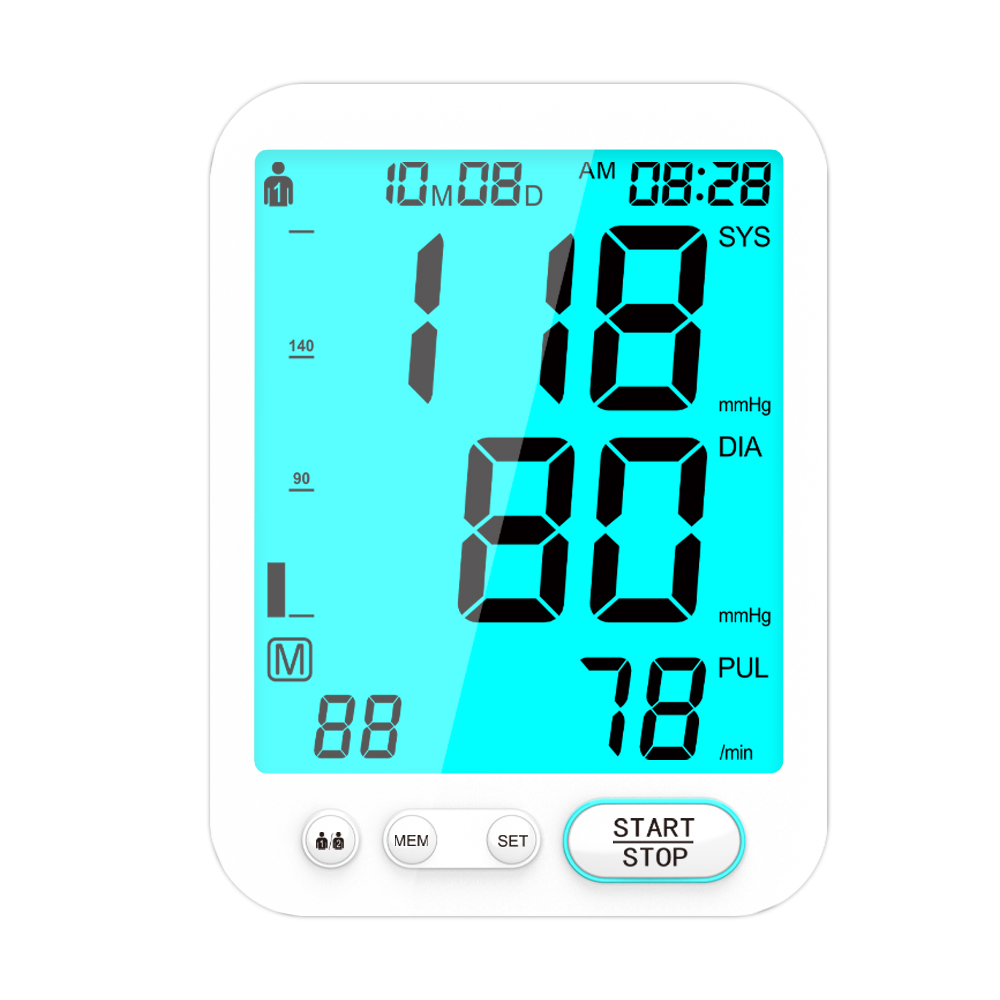
  • Display: The monitor displays the results in digital form, showing the systolic, diastolic, and pulse rate.
  • Buttons and Controls: Typically, there’s a power button, memory recall, and a start/stop button for inflation and deflation.
    blood pressure monitor

    2. Types of Electronic BP Monitors

    There are primarily three types of electronic BP monitors:

    • Upper Arm Monitors:

      • Most Accurate: These devices measure BP from the upper arm and are generally considered the gold standard for both home and clinical use.
      • Cuff Size Matters: The cuff should fit the upper arm snugly (typically between 22 cm to 42 cm in circumference for most adult users). Incorrect cuff size can lead to inaccurate readings.
    • Wrist Monitors:

      • Convenient: These are smaller and more portable than upper-arm models, making them ideal for users who need a more compact and lightweight device.
      • Less Accurate: Wrist monitors are less accurate compared to upper-arm models, especially for people with wrist-related issues or older individuals, as wrist BP measurements are more sensitive to body position.
    • Finger Monitors:

      • Less Common: These devices are even smaller and are usually marketed as easy-to-use, but they are generally not recommended for accurate BP measurements.
      • Inconsistent Readings: Finger monitors may be more prone to errors and are not commonly used in clinical or home healthcare settings for accurate BP monitoring.