

A Tokyo grandfather slips on a blood pressure cuff one morning. The numbers pop up, but the device does more—it flags a flutter in his heart he never felt. In Nairobi, a mother wraps a tiny version around her child’s arm, and in London, a doctor pulls up a patient’s home readings, adjusting meds before trouble starts. These small moments, once unremarkable, are quietly changing how the world manages health. Arm blood pressure monitors, once just number - crunchers, now stand guard over well - being, linking patients and doctors in ways that rewrite the playbook for fighting hypertension—a condition touching 1 in 3 adults worldwide.
Global Guideline Shifts Spark New Demand
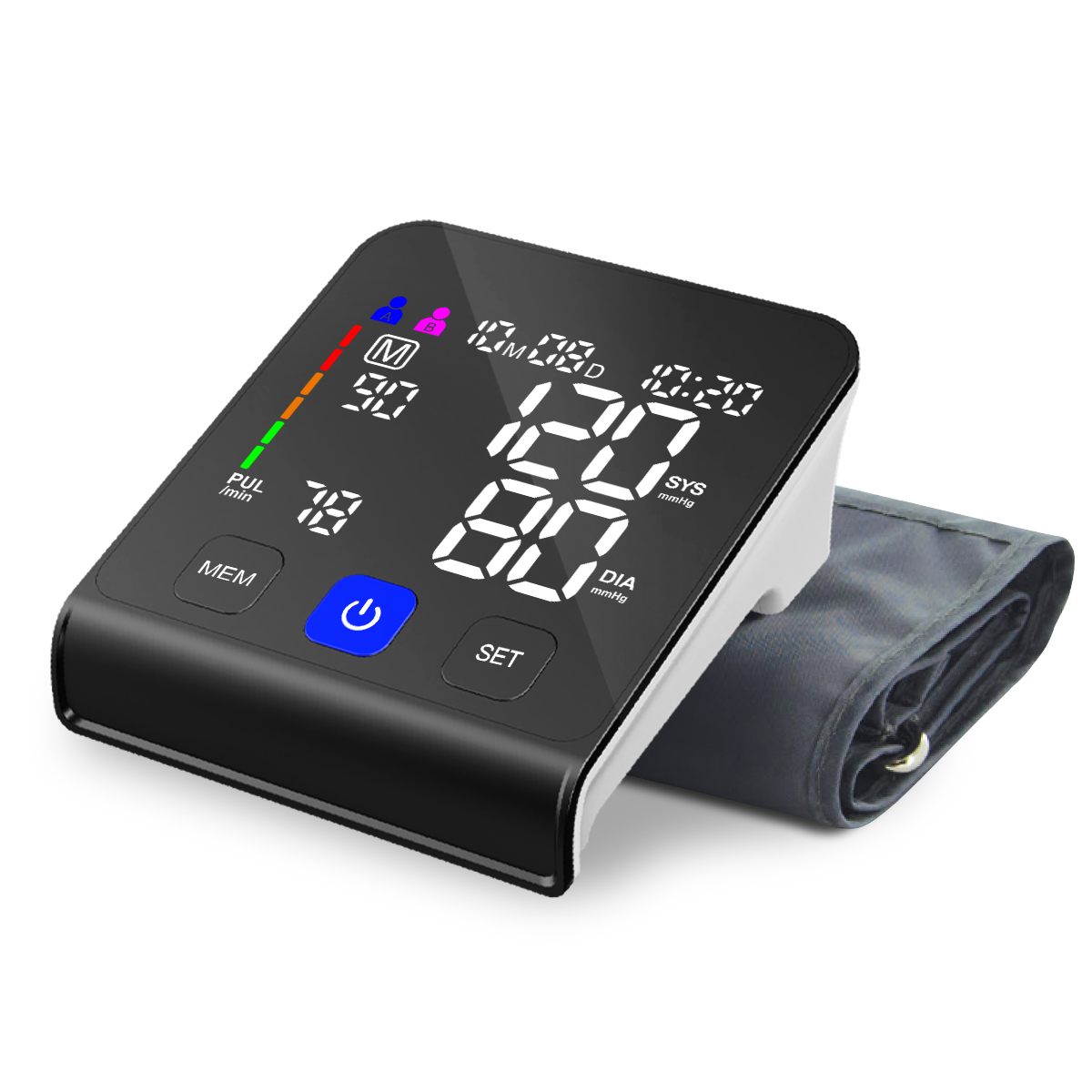
When the WHO/ISH lowered hypertension thresholds to 130/80 mmHg, it wasn’t just a tweak on paper. Suddenly, hundreds of millions more people needed to track their blood pressure, and arm monitors became must - haves. Brands responded fast. Microlife’s UA - 787, a no - frills, precise model, flew off shelves for new patients starting home checks. Withings rolled out BPM Connect, which sends readings straight to doctors’ screens, letting them tweak care before symptoms hit.
AI Adds a Sixth Sense—But Raises Questions
Omron’s latest monitor, cleared by the FDA late last year, does more than count beats. Its AI spots atrial fibrillation, that silent heart rhythm issue affecting 33 million people—40% of whom never know it. That’s a big deal. But not all algorithms play fair. Studies show they’re less accurate for some ethnic groups, sparking debates about fairness. The WHO is now testing these tools globally to make sure they work for everyone.
Monitors Get Personal
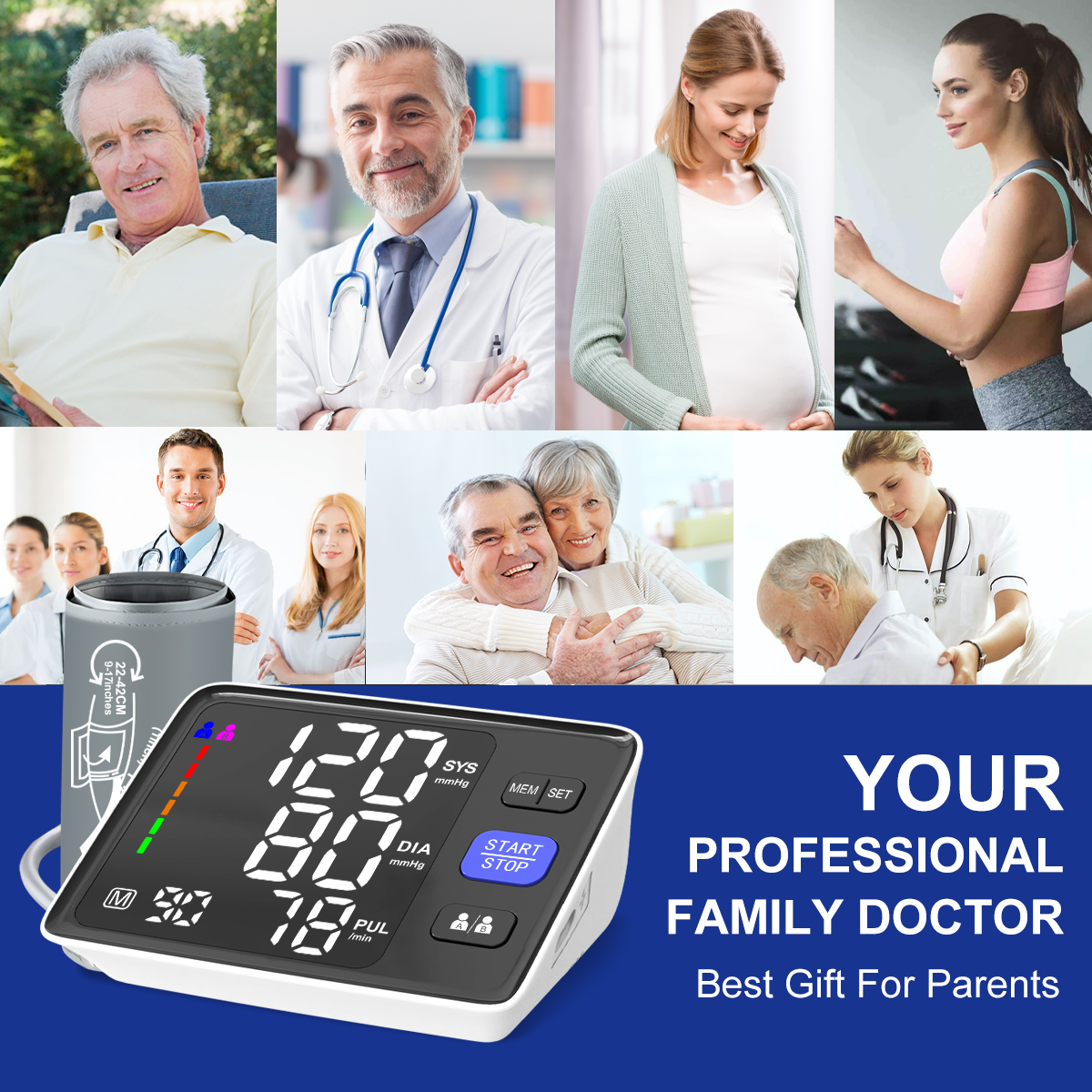
One size never fit all, and now monitors are catching on. For folks with larger arms, Omron’s HBP - 1320 comes with an extra - large cuff that fits 22 - 53 cm arms, nixing wonky readings. Elderly users love Panasonic’s EW3153—it beeps if their hand shakes, cutting errors by 40%. Even kids have a fit: A&D’s UA - 667BLE, the first FDA - approved for under 12s, adjusts to small arms, making checks easy.
These little devices keep evolving, pushing doctors and brands to think differently. Each new feature brings us closer to a world where high blood pressure is caught early, managed better, and lives are saved—one cuff squeeze at a time.