

In an era where home health monitoring becomes increasingly prevalent, a common question lingers in many users’ minds: Are digital blood pressure readings accurate? The short answer is yes—when you choose the right device and use it correctly. Advancements in sensor technology and clinical validation have made modern digital monitors highly reliable, but factors like product quality, usage habits, and device type still play pivotal roles in ensuring precise results.
The first step to accurate readings is selecting a qualified device, and the best blood pressure monitor for home use should meet two core criteria: clinical validation (preferably by organizations like the American Heart Association, AHA) and user-friendly design. Among trusted options, the citizen blood pressure monitor stands out for its consistent performance. Equipped with advanced oscillometric sensors, it minimizes errors caused by minor movements during measurement. Many of its models also feature cuff size adjustment reminders—an often-overlooked detail, as an ill-fitting cuff (too tight or too loose) can skew readings by up to 10-15 mmHg.
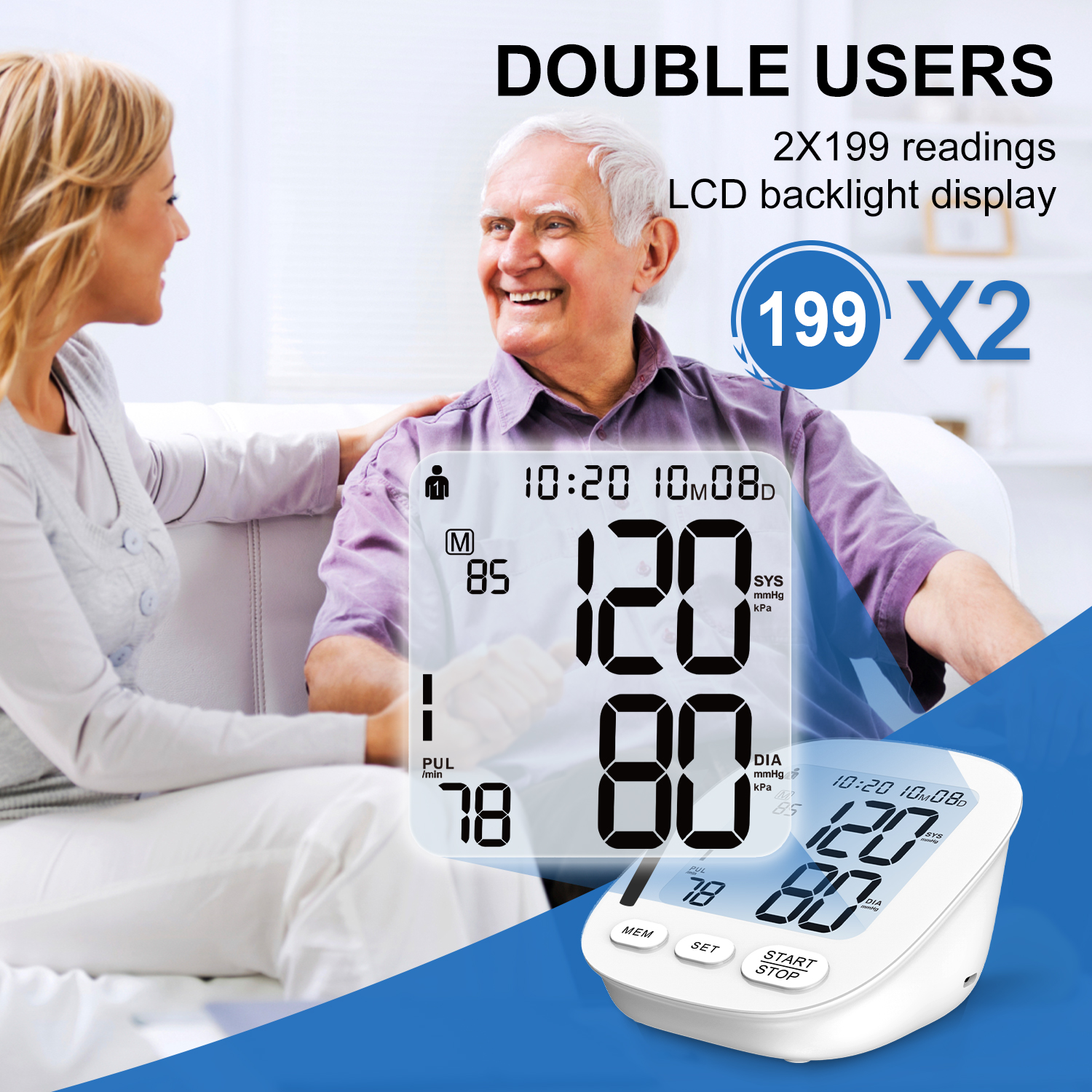
A common misconception is that all digital monitors offer the same accuracy, but this ignores the difference between standard and specialized devices like the continuous blood pressure monitor. Traditional home monitors take spot measurements at specific times, which can miss fluctuations caused by stress, exercise, or medication. Continuous monitors, by contrast, track blood pressure at regular intervals (e.g., every 15 minutes) throughout the day and night, providing a comprehensive data profile. This is particularly valuable for individuals with hypertension or those managing chronic conditions, as it helps doctors detect “white coat syndrome” (temporary spikes in clinical settings) and adjust treatment plans more effectively.
However, even the most advanced digital monitors can produce inaccurate results if used improperly. The AHA recommends several best practices: Measure at the same time daily (preferably morning before breakfast and evening before bed), sit quietly for 5 minutes beforehand, keep your arm supported at heart level, and avoid caffeine or nicotine 30 minutes prior. For the citizen blood pressure monitor, users should also ensure the device is calibrated annually—most pharmacies or medical supply stores offer this service for free or a small fee. Calibration is equally important for continuous monitors, as prolonged use can wear down sensors.
Another factor influencing accuracy is device age. Most digital monitors have a lifespan of 3-5 years; after that, sensor sensitivity may decline. When shopping for the best blood pressure monitor for home use, look for models with replaceable cuffs and clear calibration indicators. The continuous blood pressure monitor often comes with app connectivity, allowing users to sync data to smartphones and share it with healthcare providers—this not only enhances convenience but also ensures that any unusual trends are addressed promptly.
digital blood pressure readings are reliable when paired with the right device and proper usage. The citizen blood pressure monitor excels as a daily home tool, while the continuous blood pressure monitor serves as a powerful ally for in-depth monitoring. By prioritizing clinically validated products, following correct measurement protocols, and maintaining devices regularly, users can trust their digital monitors to provide the accurate data needed for proactive health management. If you’re unsure about your device’s performance, compare its readings with those taken at a medical clinic—consistency is the ultimate sign of reliability.